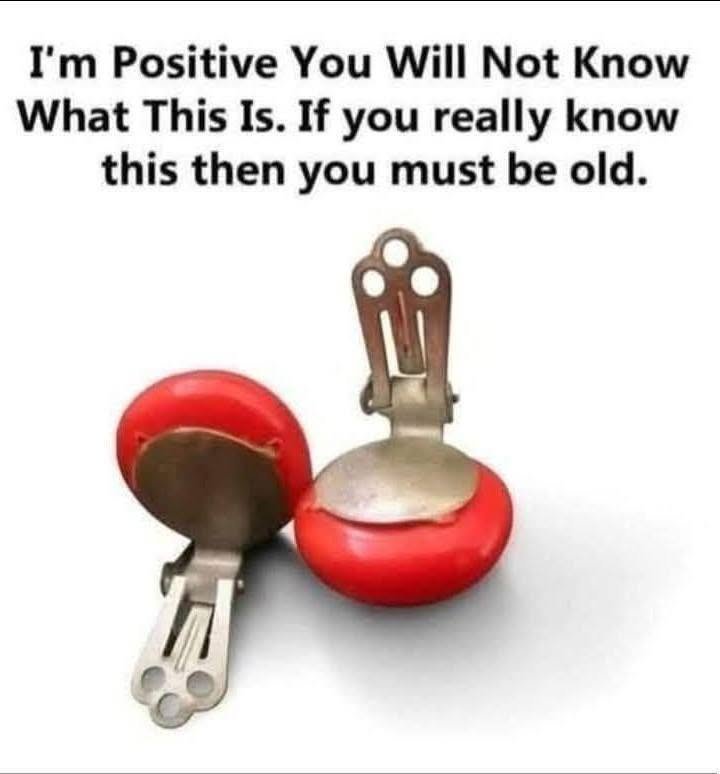
At first glance, this unusual little object looks like something you might find in an old toolbox. A curved metal hook, a sturdy handle, and a design that gives almost nothing away.
But decades ago, this simple device helped people complete a task we barely think about today: getting dressed.
Before modern footwear became convenient, putting on a pair of fashionable boots could be surprisingly frustrating, sometimes involving dozens of tiny buttons.
That’s where this forgotten invention came in. Known as a button hook, it was once an essential everyday accessory, and its clever purpose might surprise anyone seeing one for the first time.
During the late 1800s and early 1900s, high-button boots were incredibly fashionable. Both men and women wore footwear featuring rows of small buttons running along the ankle or up the leg.
Although stylish, these boots weren’t particularly easy to fasten. Their tiny buttons and tightly fitted leather made getting ready a time-consuming process, especially without the right equipment.
The button hook solved this problem with a remarkably simple design. Its curved metal tip slipped through a buttonhole, caught the button, and pulled it neatly through the opening.
Instead of struggling with your fingers, you could fasten even the most stubborn buttons with a quick movement of the wrist.
Most button hooks featured comfortable handles made from wood, metal, bone, or other materials. Later examples also incorporated early plastics, including Bakelite, making them both practical and attractive.
Some were beautifully decorated, featuring engraved silver handles, intricate patterns, or personalized initials. Others were inexpensive everyday tools designed purely for convenience.
Interestingly, button hooks weren’t limited to footwear. People also used them to fasten gloves, corsets, and other garments featuring small or difficult-to-reach buttons.
They were particularly useful for individuals who struggled with fine hand movements, as well as domestic workers assisting people with elaborate clothing.
By the early twentieth century, these little devices had become so familiar that businesses sometimes distributed promotional button hooks bearing their company names.
However, their popularity gradually declined as fashion changed and modern fastening systems became more widespread.
Lace-up shoes, improved elastic materials, and the growing popularity of zippers made complicated buttoned footwear less common.
Today, vintage button hooks frequently appear in antique shops, flea markets, and inherited collections, where younger generations sometimes struggle to identify their original purpose.
Collectors particularly appreciate decorative examples, especially those featuring unusual handles, advertising inscriptions, or intricate craftsmanship.
Yet their real charm lies in what they reveal about everyday life.
Something as ordinary as putting on shoes once required a dedicated tool, patience, and a little practice.
The next time you slip into your favorite sneakers without giving it a second thought, remember this curious little invention.
It may look strange today, but for generations, the humble button hook made getting dressed considerably easier.