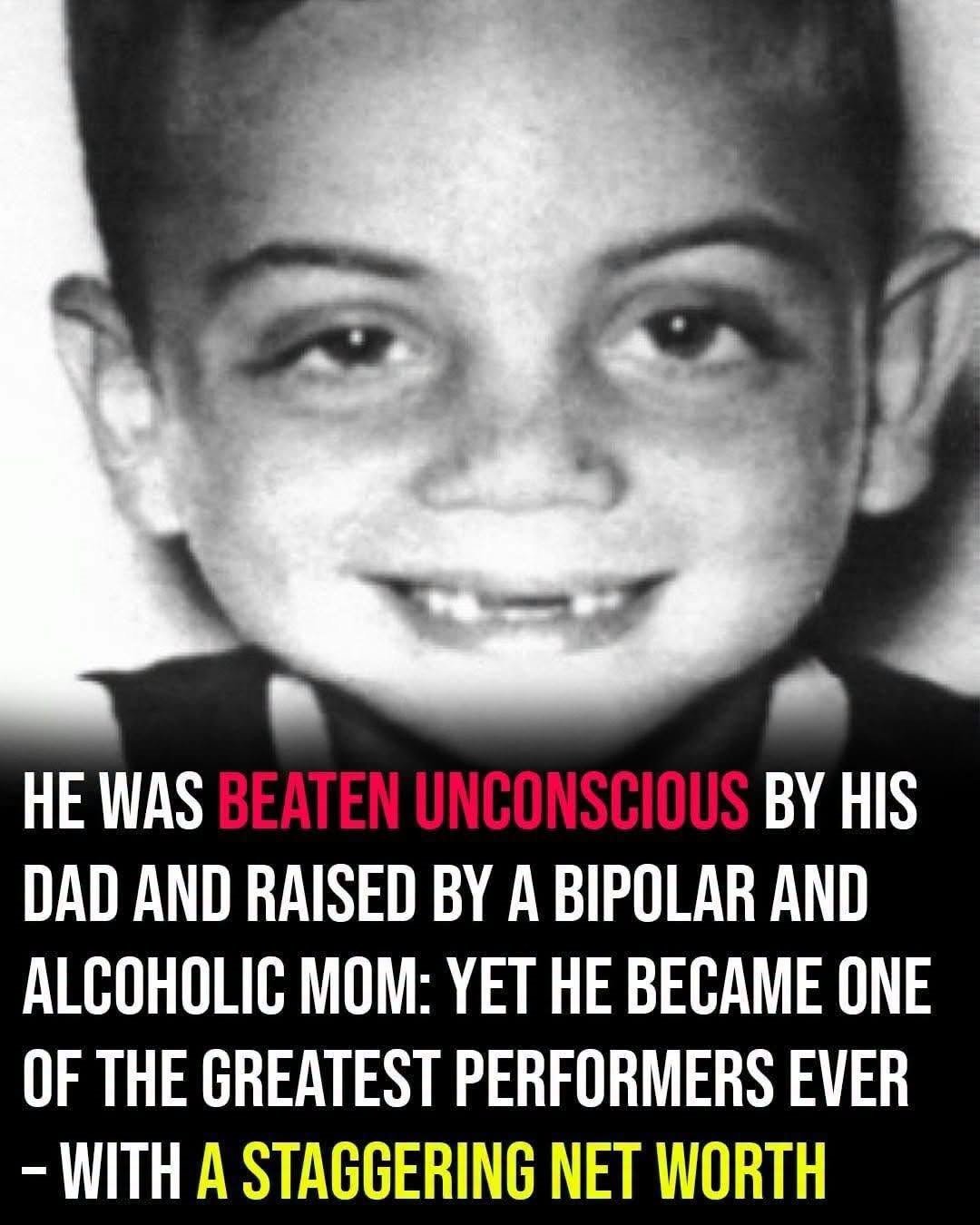
Millions know his voice, but few realize how much pain was hiding behind the music that made him famous.
His father left when he was just seven, and his mother struggled with serious emotional difficulties. Home was far from the peaceful place a child needed.
Years later, that same little boy would become one of America’s most celebrated entertainers, selling out arenas and creating songs that generations would never forget.
His name is Billy Joel. And now, after a troubling medical diagnosis forced him away from the stage, the legendary Piano Man is facing another unexpected challenge.
Born in the Bronx in 1949 and raised on Long Island, Joel experienced a difficult childhood. His parents separated when he was young, and his father eventually left for Europe. His mother also struggled emotionally, leaving Billy to navigate a complicated family life.
Music became his refuge. Encouraged to study piano from an early age, he discovered something extraordinary in those black-and-white keys: a way to express feelings he couldn’t easily explain.
His teenage years weren’t particularly glamorous. He even took up boxing to defend himself against neighborhood bullies before eventually choosing music over fighting.
But success didn’t arrive overnight. Before becoming a household name, Joel endured disappointing record deals, financial struggles, and professional setbacks that nearly derailed his ambitions.
Then came Piano Man in 1973, followed by unforgettable hits including Just the Way You Are, Uptown Girl, and We Didn’t Start the Fire. The struggling musician had become an international superstar.
Yet fame brought its own difficulties. Joel openly discussed his battles with depression and alcohol, while complicated relationships and financial betrayals added further chapters to his turbulent personal life.
In May 2025, another challenge emerged. Joel announced that he had been diagnosed with normal pressure hydrocephalus, a neurological condition involving excess fluid accumulating within the brain. Problems with his balance, hearing, and vision forced him to cancel scheduled concerts.
The announcement worried fans who had spent decades watching him command enormous audiences with seemingly effortless energy.
But Joel wasn’t ready to surrender to his diagnosis.
In 2026, he revealed that doctors had implanted a shunt in his brain to help manage the condition. The procedure brought improvements in his memory, balance, and everyday functioning, although recovery remained ongoing.
His daughter, Alexa Ray Joel, described him as resilient and committed to improving his health. She also shared that he was regularly attending physical therapy and taking his recovery seriously.
During an October 2026 update, Joel explained that he still couldn’t drive or perform as he once did. Nevertheless, he expressed hope that further medical evaluations might eventually allow him to return to the stage.
For a man whose music has accompanied millions through heartbreak, celebration, and everything in between, his determination carries particular meaning.
Billy Joel’s story has never been about a life without setbacks. It’s about someone who repeatedly found reasons to continue, even when circumstances changed everything.
And while nobody knows exactly when the Piano Man might perform again, his remarkable musical legacy remains untouched.